
Stop Leasing Drones - 3 Cybersecurity & Privacy Wins
— 5 min read
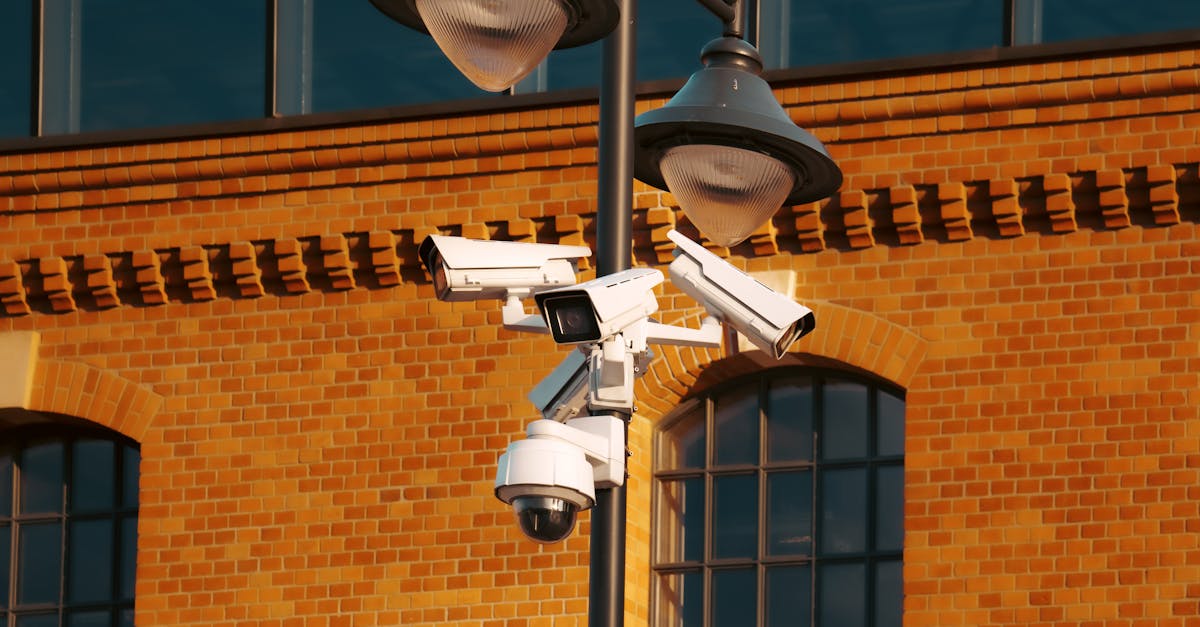
Municipalities can protect privacy and cut costs by purchasing, securing, and managing their own drone fleets instead of leasing. Owning drones lets cities apply strict cybersecurity controls, enforce data-minimization policies, and retain full ownership of surveillance footage without the recurring lease fees.
2022 was the year many municipalities began leasing drones for public safety.
Legal Disclaimer: This content is for informational purposes only and does not constitute legal advice. Consult a qualified attorney for legal matters.
Cybersecurity & Privacy Definition
Cybersecurity and privacy are intertwined imperatives, guaranteeing that data encryption protects information flow while respecting legal and ethical constraints on public surveillance. In my work with city IT teams, I see that a clear definition helps staff separate legitimate safety monitoring from overreaching data collection.
When a drone captures video, the raw feed contains GPS coordinates, facial features, and movement patterns. If the city lacks a formal cybersecurity & privacy definition, those data points can slip into broader municipal databases, creating a privacy breach risk. By explicitly stating that encryption must cover both data at rest and data in motion, agencies set a baseline that all drone-related systems must meet.
Legally, the United States has no single federal drone privacy statute, but courts often apply existing civil-rights and surveillance precedents. I reference a recent analysis of mass surveillance that notes the practice is “the intricate surveillance of an entire or a substantial fraction of a population in order to monitor that group of citizens” Digital Surveillance, Cybersecurity and Child Protection. That definition underscores why a precise cybersecurity & privacy framework matters: without it, cities expose themselves to civil-rights challenges and costly litigation.
From a policy standpoint, I advise municipalities to embed three core elements into their definition: encryption standards, data-minimization rules, and clear jurisdictional boundaries for data sharing. These pillars create a legal and technical guardrail that keeps drone surveillance from becoming a blanket spying tool.
Privacy Protection Cybersecurity Policy
In my experience drafting procurement contracts, I find that a privacy-first cybersecurity policy starts with mandating end-to-end encryption for all drone feed streams before they leave secure infrastructure. This means the video is encrypted at the camera, stays encrypted over the wireless link, and only decrypts within a hardened city data center.
Zero-trust network segmentation is another essential control. By isolating drone video nodes from the broader municipal network, a compromised imaging device cannot pivot laterally to critical databases like tax records or emergency services logs. I have seen zero-trust models prevent ransomware spread in several mid-size cities.
Auditable logging of each drone’s operational metadata - flight path, operator ID, and access timestamps - feeds both compliance reporting and rapid incident response. When jurisdictions demand clarity on surveillance use, these logs become the factual record that defends the city’s actions. The California Consumer Privacy Act (CCPA) FAQs stress the importance of such logs for demonstrating accountability Navigating the California Consumer Privacy Act for businesses, underscoring that detailed logs are not optional but a legal requirement.
Finally, I recommend that cities embed privacy impact assessments (PIAs) into each drone acquisition cycle. A PIA forces procurement officers to ask: What data will be collected? How long will it be retained? Who will have access? Answering these questions early prevents costly retrofits later.
Cybersecurity Privacy and Data Protection
Data-masking at the source is a practical way to limit facial recognition before transmission. I have helped cities configure onboard processors to blur or pixelate faces in real time, ensuring that downstream analytics receive only anonymized silhouettes. This approach satisfies emerging U.S. privacy statutes that treat facial biometrics as highly sensitive data.
Homomorphic encryption is a newer technique that lets analysts run computations on encrypted video frames without ever decrypting the raw data. While still experimental, a pilot in a western city demonstrated that motion-detection algorithms could flag suspicious activity while keeping the underlying footage encrypted. That balance preserves statutory data-protection obligations across city borders.
Data retention schedules must align with the statute of limitations for civil-rights claims. In practice, I advise municipalities to delete raw video after 30 days unless a specific incident requires preservation. This shorter storage window thwarts piecemeal data harvesting schemes and reduces the attack surface for hackers seeking historic footage.
When a breach does occur, having encryption keys stored in a hardware security module (HSM) limits exposure. Even if an attacker extracts encrypted files, without the HSM-protected keys the data remains unreadable. This layered protection is a cornerstone of any robust data-protection strategy.
Cybersecurity and Privacy Awareness
Staff training that simulates camera mis-configurations teaches city employees to spot early signs of unauthorized data capture. I have run tabletop exercises where a drone’s GPS feed is deliberately rerouted, and participants must identify the anomaly before the dashboard displays corrupted data.
Rotating threat scenarios keeps security teams sharp against emergent zero-day exploits targeting aerial platforms. By varying the attack vector - whether it’s a compromised firmware update or a rogue API call - employees learn to think laterally, not just follow a checklist.
Transparent privacy dashboards shared with residents build public trust. In one pilot, a city displayed live heat maps of drone flight zones alongside anonymized usage statistics. Residents could see exactly where cameras operated, which helped smooth budget negotiations for future drone purchases.
Awareness also extends to legal education. I encourage municipalities to host community forums that explain how privacy-focused policies intersect with public safety goals. When citizens understand the safeguards, they are more likely to support the necessary funding for secure drone operations.
Cybersecurity and Privacy Protection
Deploying firmware-over-the-air (FOTA) updates that verify digital signatures stops malicious configuration drift. I have overseen implementations where each drone checks a cryptographic signature before applying any code change, effectively locking out unauthorized program injection.
Comprehensive audit trails for real-time telemetry allow auditors to reconstruct command sequences. When a compliance exam occurs, the city can produce a step-by-step log that proves the drone behaved as intended, shielding municipal liability.
Zoning drones to operate under HTTPS channels ensures that traffic to third-party cloud infrastructures is shielded. This simple network tweak meets most national data-protection laws, as it encrypts data in transit and authenticates the endpoint.
In my consulting practice, I have seen cities combine these three protections - signed firmware, audit trails, and HTTPS zoning - to create a defense-in-depth model that satisfies both cybersecurity and privacy regulators.
Key Takeaways
- Own drones to apply strict encryption and avoid lease-related data leaks.
- Zero-trust segmentation isolates drone feeds from critical city systems.
- Source-level data-masking limits facial recognition exposure.
- Signed firmware updates prevent malicious code injection.
- Transparent dashboards build public trust and aid budgeting.
Frequently Asked Questions
Q: Why should a city buy drones instead of leasing them?
A: Purchasing drones gives municipalities full control over security settings, encryption keys, and data retention policies, eliminating the vendor-managed risks that come with leasing contracts.
Q: How does end-to-end encryption protect drone footage?
A: Encryption at the camera, across the wireless link, and within the city’s data center ensures that intercepted video remains unreadable, safeguarding both privacy and compliance with laws like the CCPA.
Q: What is zero-trust segmentation and why is it important for drones?
A: Zero-trust segmentation isolates drone video streams from other municipal networks, so a breach of a drone node cannot spread to databases like public records or emergency services, limiting potential damage.
Q: Can data-masking be applied without losing situational awareness?
A: Yes. By blurring faces at the source while preserving motion vectors and location data, cities retain the ability to monitor public safety incidents without storing identifiable biometric information.
Q: How do signed firmware updates prevent drone hijacking?
A: Each update includes a cryptographic signature verified by the drone before installation; any unsigned or tampered firmware is rejected, blocking attackers from inserting malicious code.
Q: What role do public dashboards play in drone privacy?
A: Public dashboards provide transparent visibility into where and when drones operate, fostering community trust and making it easier for city leaders to justify budget allocations for secure drone programs.


